
Choosing the Right Corduroy Shirts Manufacturer for Fall/Winter Collections
Corduroy shirts have become a key product category in Fall/Winter collections, offering warmth, texture, and a premium seasonal look. However, producing corduroy shirts is not the same as manufacturing standard cotton shirts. Fabric behavior, cutting techniques, and finishing processes require specific experience.
For brands planning Fall/Winter collections, choosing the right corduroy shirts manufacturer is not just about price. It is about finding a factory that understands corduroy fabric, seasonal production planning, and long-term brand consistency.
This guide explains how to evaluate a corduroy shirt factory from a real manufacturing perspective.
UNDERSTANDING CORDUROY FABRIC IN SHIRT MANUFACTURING
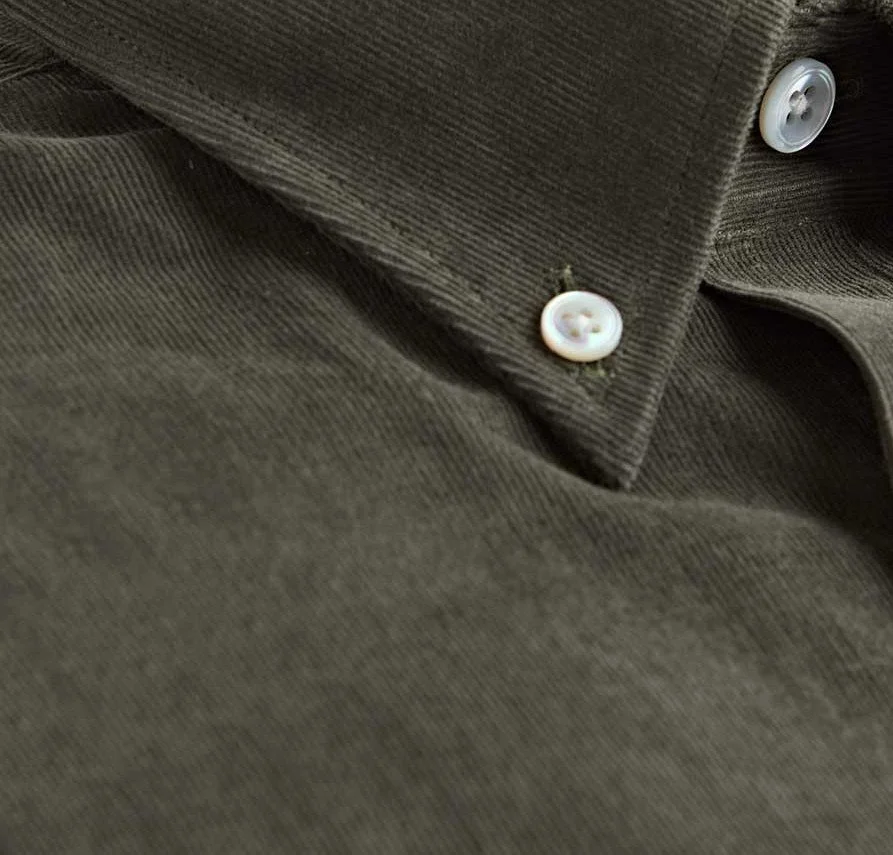
Corduroy is a woven fabric characterized by raised ribs (wales) that create its distinctive texture. In shirt manufacturing, corduroy behaves very differently from poplin, twill, or oxford fabrics.
Common corduroy types used for shirts:
Fine-wale corduroy (lighter, more flexible)
Mid-wale corduroy (balanced structure)
Wide-wale corduroy (heavier, more casual)
A professional corduroy shirts manufacturer understands:
How wale width affects drape and fit
How fabric weight influences seasonal wearability
Which corduroy types work best for shirts rather than outerwear
Not every shirt factory has this level of fabric specialization.
FABRIC SOURCING & CONSISTENCY FOR FALL/WINTER PRODUCTION
One of the most overlooked factors when selecting a corduroy shirt manufacturer is fabric sourcing consistency.
For Fall/Winter collections, brands often require:
Consistent fabric quality across multiple colors
Reliable availability for reorders
Pre-tested shrinkage and colorfastness
An experienced corduroy shirt factory works closely with fabric mills to ensure continuity. This is critical when a style performs well and needs to be reordered mid-season.
FIT DEVELOPMENT FOR CORDUROY SHIRTS
Corduroy fabric is thicker and less flexible than standard shirting fabrics. This directly impacts pattern development and fit.
Key fit considerations:
Shoulder and back ease for layering
Armhole comfort due to fabric thickness
Avoiding overly slim silhouettes
Maintaining structure without stiffness
A skilled corduroy shirts manufacturer adjusts base patterns specifically for corduroy rather than reusing cotton shirt blocks.
CUTTING & SEWING CHALLENGES IN CORDUROY SHIRT MANUFACTURING
Corduroy fabric requires special attention during cutting and sewing.
Critical production details:
All pattern pieces must follow the same pile direction
Incorrect cutting leads to visible color shading differences
Stitch density must match fabric thickness
Seam reinforcement is essential for durability
Factories without corduroy experience often underestimate these details, leading to inconsistent quality.
QUALITY CONTROL IN A CORDUROY SHIRT FACTORY
Quality control in corduroy shirt manufacturing is more complex than in lightweight fabrics.
A reliable corduroy shirts manufacturer typically performs:
Fabric inspection before cutting
In-line checks during sewing
Measurement controls adapted for heavier fabrics
Final inspection focusing on surface consistency
This level of control is only possible when production is handled directly by the factory, not outsourced through agents.
PRIVATE LABEL CORDUROY SHIRTS: BRAND-SPECIFIC REQUIREMENTS
Brands producing private label corduroy shirts often require customization beyond basic construction.
Typical customization options:
Custom collar shapes and interlinings
Branded buttons and trims
Specialized washes or softening treatments
Custom labeling and packaging
A capable corduroy shirts manufacturer integrates these requirements into the production workflow rather than treating them as add-ons.
MOQ, LEAD TIMES & SEASONAL PLANNING
Fall/Winter collections have strict timelines. Delays can mean missing the selling season entirely.
When evaluating a corduroy shirt factory, brands should clarify:
Minimum order quantities by fabric type
Sampling lead times
Bulk production timelines
Reorder possibilities during the season
Factories experienced in Fall/Winter production plan capacity accordingly and communicate timelines clearly.
WORKING DIRECTLY WITH A MANUFACTURER VS AN AGENT
Many brands sourcing corduroy shirts face the choice between working with an agent or directly with a factory.
Working directly with a manufacturer offers:
Better control over quality
Faster communication
Clear accountability
Long-term production stability
For complex fabrics like corduroy, direct factory collaboration significantly reduces risk.
SIGNS OF A RELIABLE CORDUROY SHIRTS MANUFACTURER
When evaluating potential partners, look for manufacturers who:
Have proven experience with corduroy shirts
Can explain their production process in detail
Offer fabric testing and quality documentation
Support long-term partnerships, not one-off orders
These are indicators of a true corduroy shirts manufacturer, not a trading intermediary.
CONCLUSION
Choosing the right corduroy shirts manufacturer for Fall/Winter collections requires more than comparing prices. Fabric knowledge, fit development, production discipline, and seasonal planning all play critical roles.
Brands that partner with experienced corduroy shirt factories benefit from:
Consistent product quality
Reliable seasonal deliveries
Scalable production for future collections
For Fall/Winter collections, corduroy shirts are a statement product. Working with the right manufacturer ensures that statement reflects quality and reliability.
